Every society has people who need support, opportunities and access to basic resources. While governments work towards public welfare, many social challenges require additional efforts, community participation and continuous support. This is where shrishyamfoundation plays an important role.
From providing education to underprivileged children to supporting healthcare initiatives, environmental protection and women’s empowerment, Shri Shyam Foundation work to create meaningful changes in people’s lives.
But what exactly is an NGO? How does it work, and why is it important for society? Let’s understand its purpose, activities and contribution to building a better future. Donate Now
What Is an NGO?
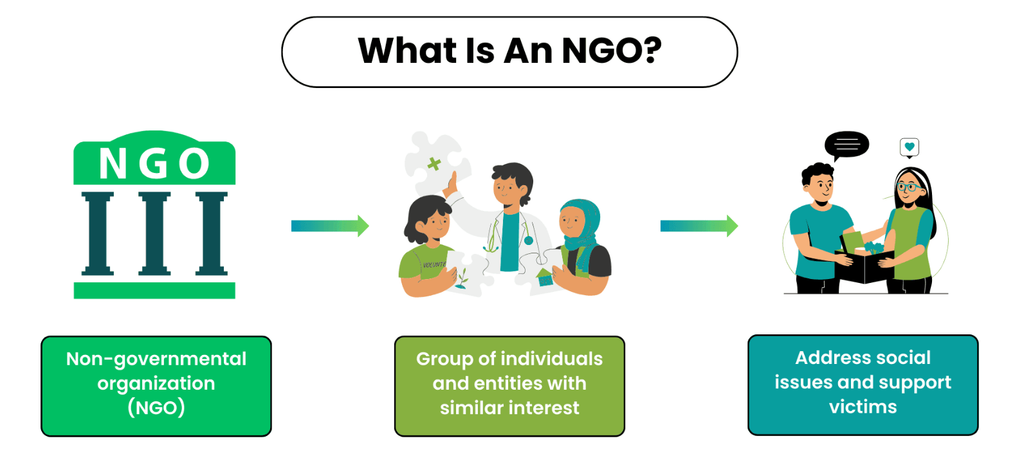
An NGO (Non-Governmental Organization) is an independent, non-profit organisation that works to address social, environmental, educational, healthcare and humanitarian issues.
Unlike government departments or private businesses, an NGO generally focuses on public welfare rather than distributing profits among owners or shareholders. Its primary objective is to support communities, improve living conditions and create positive social change.
These organisations may operate at the local, national or international level. Some focus on a particular issue, such as child education, while others work across multiple areas of social development.
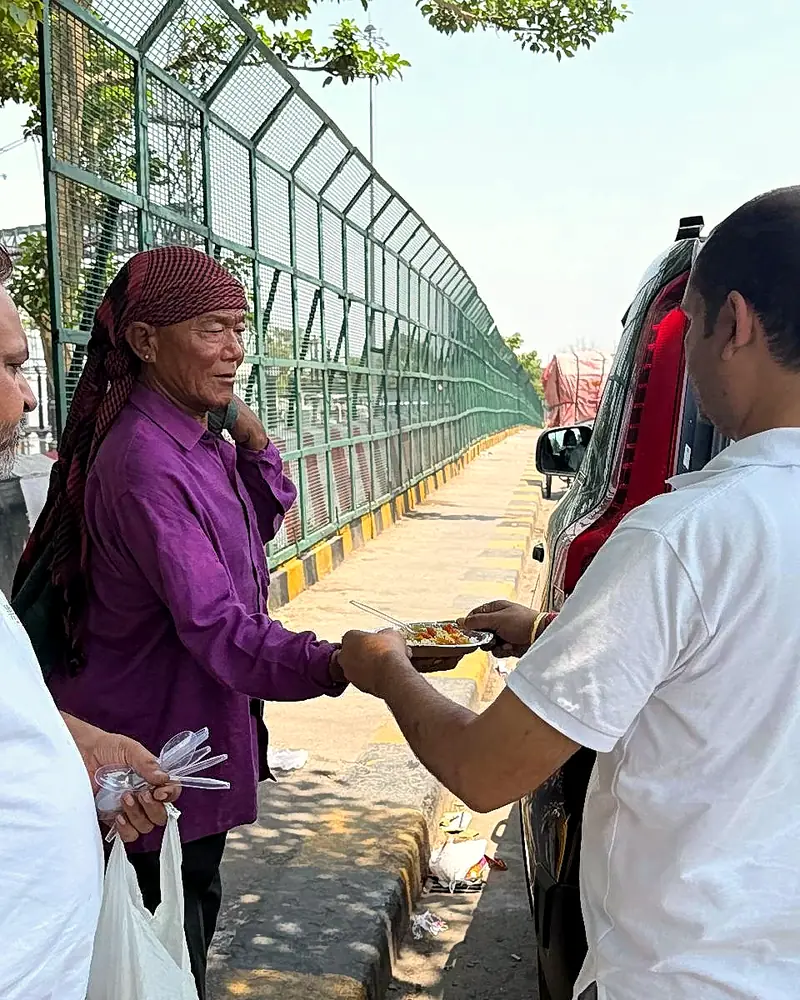
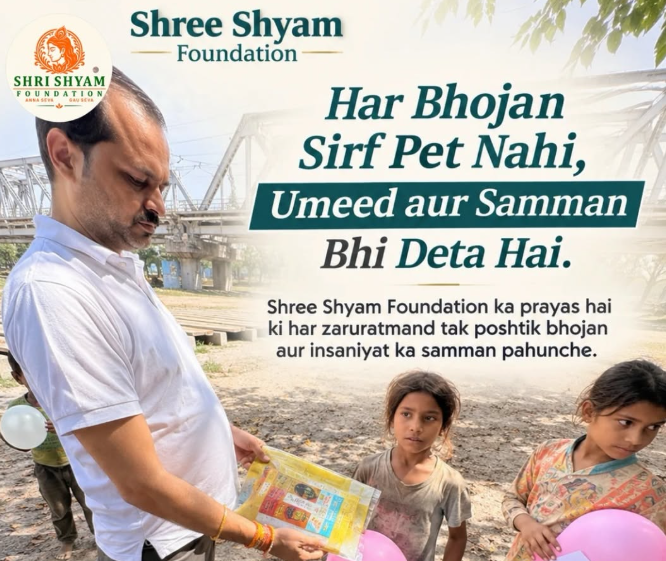
For example, Shrishyamfoundation may provide educational resources to children, distribute essential supplies to families in need or organise healthcare awareness programmes in underserved communities. Donate Now
Why Are NGOs Important for Society?
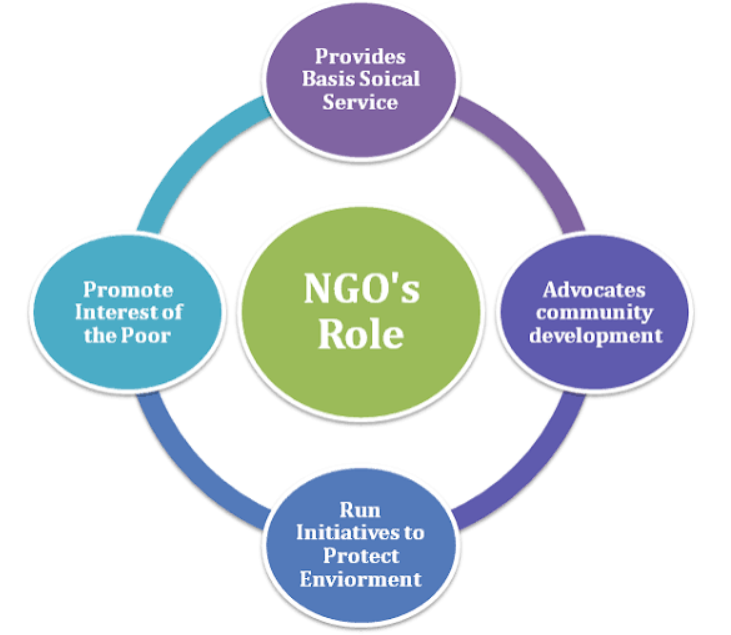
Social development requires more than government policies. It also needs people, communities and organisations that understand local problems and actively work towards solutions.
An NGO helps bridge the gap between available resources and people who need them. Donate Now
Here are some important reasons why these organisations matter:
- Supporting Underprivileged Communities
Many families struggle to access basic necessities such as food, clothing, education and healthcare. Shri shyam foundation help these communities through assistance programmes, awareness campaigns and community support.
Their efforts can make everyday life easier for people facing financial and social difficulties. Donate Now
- Promoting Education for Everyone
Education creates opportunities and helps individuals build independent lives. However, not every child has access to quality learning facilities.
Many organisations support children’s education by arranging study materials, providing learning opportunities, conducting educational activities and encouraging school attendance.
These initiatives help children develop confidence, knowledge and skills for the future. Donate Now
- Improving Healthcare Awareness
Access to healthcare information is essential for a healthy community. Awareness programmes can educate people about hygiene, nutrition, preventive healthcare and healthy habits.
Through health camps, medical assistance and educational campaigns, Shrishyamfoundation is helping communities understand the importance of taking care of their health. Donate Now
- Empowering Women and Girls
Women empowerment is essential for equal opportunities and sustainable development.
Various social initiatives focus on skill development, education, vocational training and financial awareness. These programmes encourage women to become more confident and financially independent. Donate Now
- Protecting the Environment
Environmental protection is another important area of social work.
Activities such as tree plantation, waste management awareness, cleanliness drives and water conservation encourage communities to adopt environmentally responsible habits. Donate Now
Different Types of NGOs
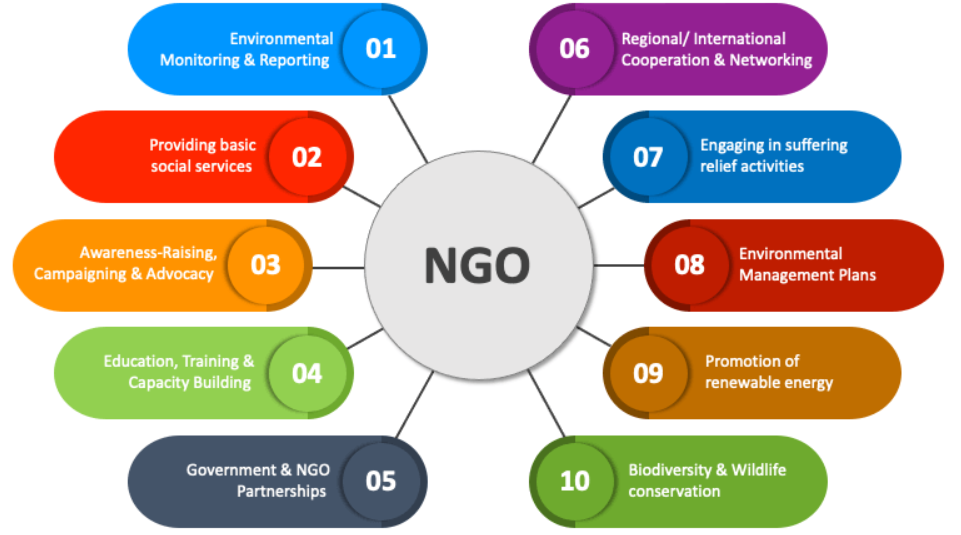
Not every organisation works towards the same objective. Their activities depend on the social problems they want to address.
Some common types include:
- Educational NGOs: These organisations support education through scholarships, learning materials, educational programmes and literacy campaigns. Donate Now
- Healthcare NGOs: They focus on medical assistance, health awareness, vaccination campaigns and community healthcare initiatives. Donate Now
- Environmental NGOs: Their work includes environmental conservation, wildlife protection, tree plantation and pollution awareness. Donate Now
- Child Welfare NGOs: These organisations work towards child protection, nutrition, education and creating safer environments for children. Donate Now
- Women Empowerment NGOs: They promote gender equality, vocational training, education and opportunities for women. Donate Now
- Humanitarian NGOs: They provide assistance during emergencies, natural disasters and humanitarian crises. Donate Now
Each type contributes differently, but the common objective is to improve people’s lives and create a more supportive society. Donate Now
How Does an NGO Work?
Many people believe that social organisations simply collect donations and distribute them. In reality, effective social work involves planning, coordination, resource management and continuous community engagement.
Here is how the process generally works:
Step 1: Identify Social Problems
The first step is understanding the challenges faced by a particular community. These may include poverty, lack of education, poor healthcare facilities or limited employment opportunities.
Step 2: Develop a Social Welfare Plan
After identifying the problem, the organisation develops a practical plan. This includes deciding the objectives, required resources, target beneficiaries and expected outcomes.
Step 3: Arrange Resources and Funding
Social initiatives require financial and material resources. Organisations may receive support through individual donations, corporate contributions, fundraising campaigns and grants.
Step 4: Implement Community Programmes
Once the planning and resources are ready, activities are organised. These may include educational programmes, food distribution, medical camps or awareness campaigns.
Step 5: Measure the Impact
Monitoring and evaluation help determine whether an initiative is achieving its objectives. Regular assessments also help organisations identify areas that need improvement. visit Shri shyam foundation
How Can You Support an NGO?

You do not need to be a wealthy person or run a large organisation to contribute to social welfare. Even small efforts can make a meaningful difference. Donate Now
Here are some practical ways to get involved:
- Donate: Contribute financially to support education, healthcare and community welfare programmes.
- Volunteer: Give your time and skills to help with social activities and awareness campaigns.
- Spread Awareness: Share information about important social issues through your personal and professional networks.
- Donate Essential Items: Support distribution drives by contributing clothes, books, food and other necessary supplies.
- Encourage Others: Motivate friends, family members and colleagues to participate in community initiatives.
Before contributing, always check an organisation’s registration details, activities, transparency and use of funds.
How to Choose the Right NGO?
Choosing an organisation to support is an important decision. Donors and volunteers should understand how an organisation operates before becoming involved.
Consider these factors:
Transparency: Check whether the organisation shares information about its activities, funding and projects.
Registration: Verify its legal registration and relevant compliance documents.
Social Impact: Understand what kind of work it performs and how its programmes benefit communities.
Accountability: Look for regular updates, project reports and clear communication.
Authenticity: Research its background, leadership and public reputation before making financial contributions.
A responsible approach helps ensure that your contribution supports genuine social welfare activities.
The Role of NGOs in Building a Better India
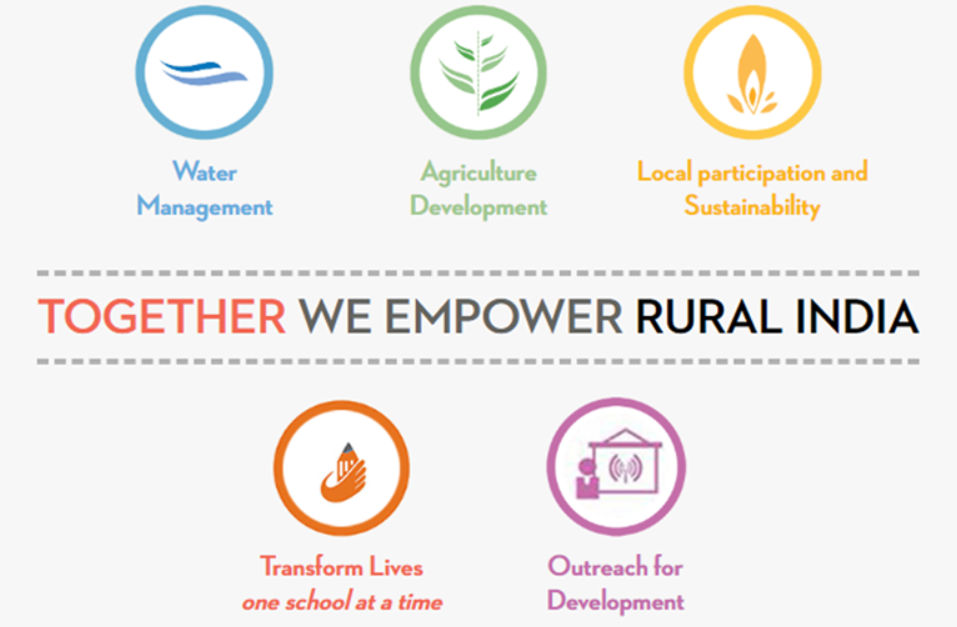
India faces several social challenges, including educational inequality, poverty, healthcare accessibility, unemployment and environmental concerns.
Addressing these issues requires cooperation between government institutions, communities, businesses and non-profit organisations.
An NGO can contribute by identifying local needs and developing initiatives that directly support people. Its community-level involvement can help reach individuals who may otherwise have limited access to essential services.
Whether it is helping a child continue education, supporting families in difficult circumstances or spreading awareness about public health, every meaningful initiative contributes to social progress.
The real impact of social work is not just measured by the number of activities conducted but by the positive and lasting changes created in people’s lives.
Why Should You Be Part of Social Change?
A better society cannot be created by a single person or organisation. It requires collective responsibility and consistent efforts.
You can contribute by supporting a cause that matters to you, participating in community activities or encouraging others to take action.
Even a small contribution can create opportunities for someone who needs support. When individuals come together with a shared purpose, their combined efforts can create meaningful and long-term change.
Frequently Asked Questions (FAQs)
- What is the main purpose of an NGO?
The main purpose is to address social, environmental, educational, healthcare and humanitarian issues while working towards public welfare and community development.
- Is an NGO a government organisation?
No. An NGO operates independently of the government, although it may collaborate with government departments on welfare projects and development initiatives.
- How do NGOs get funding?
They may receive funding through individual donations, corporate social responsibility (CSR) contributions, grants, fundraising activities and other permitted sources.
- Can anyone volunteer with an NGO?
Yes. Many organisations welcome volunteers who are willing to contribute their time, knowledge and skills to social welfare activities. Specific eligibility requirements may vary.
- How can I find a trustworthy NGO in India?
Check its registration, official website, project activities, financial transparency, reports and public reputation before donating or volunteering.
- What is the difference between an NGO and a charity?
A charity generally focuses on helping people through donations and direct assistance, whereas an NGO may work on broader objectives such as education, healthcare, environmental protection, advocacy and long-term community development.
Conclusion
Social development becomes possible when people work together to solve problems that affect their communities. From education and healthcare to environmental protection and women’s empowerment, social welfare initiatives can create opportunities and improve lives.
An NGO plays an important role in bringing people, resources and meaningful initiatives together. However, lasting change requires continuous participation, transparency and a shared commitment to public welfare.
By supporting genuine social initiatives, volunteering your time or simply spreading awareness, you can become part of a positive change.
Because building a better society is not just one organisation’s responsibility; it is everyone’s responsibility.